
INCA Case Study: Basin Block D, Limehouse, London
Basin Block D, Limehouse
Project Type: Refurbishment
Building Type: High Rise, Mixed Use
Architect: BPG
System Designer: Soltherm
Installer: T&T DUDU LTD
System & Finish: Soltherm Dynamic Silicone
U-Value Before: 0.45 W/m²K
U-Value After: 0.44 W/m²K
Project Overview
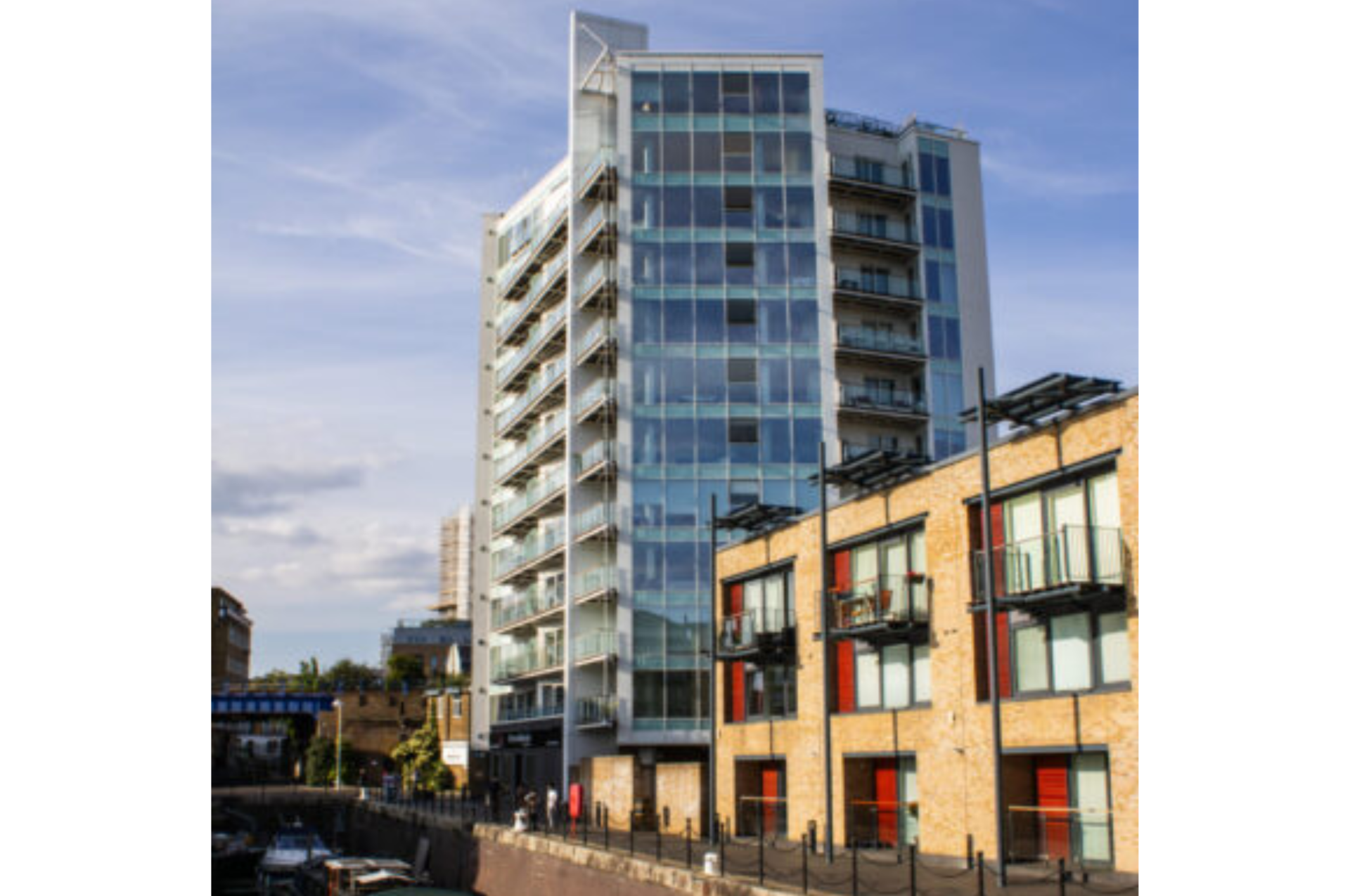
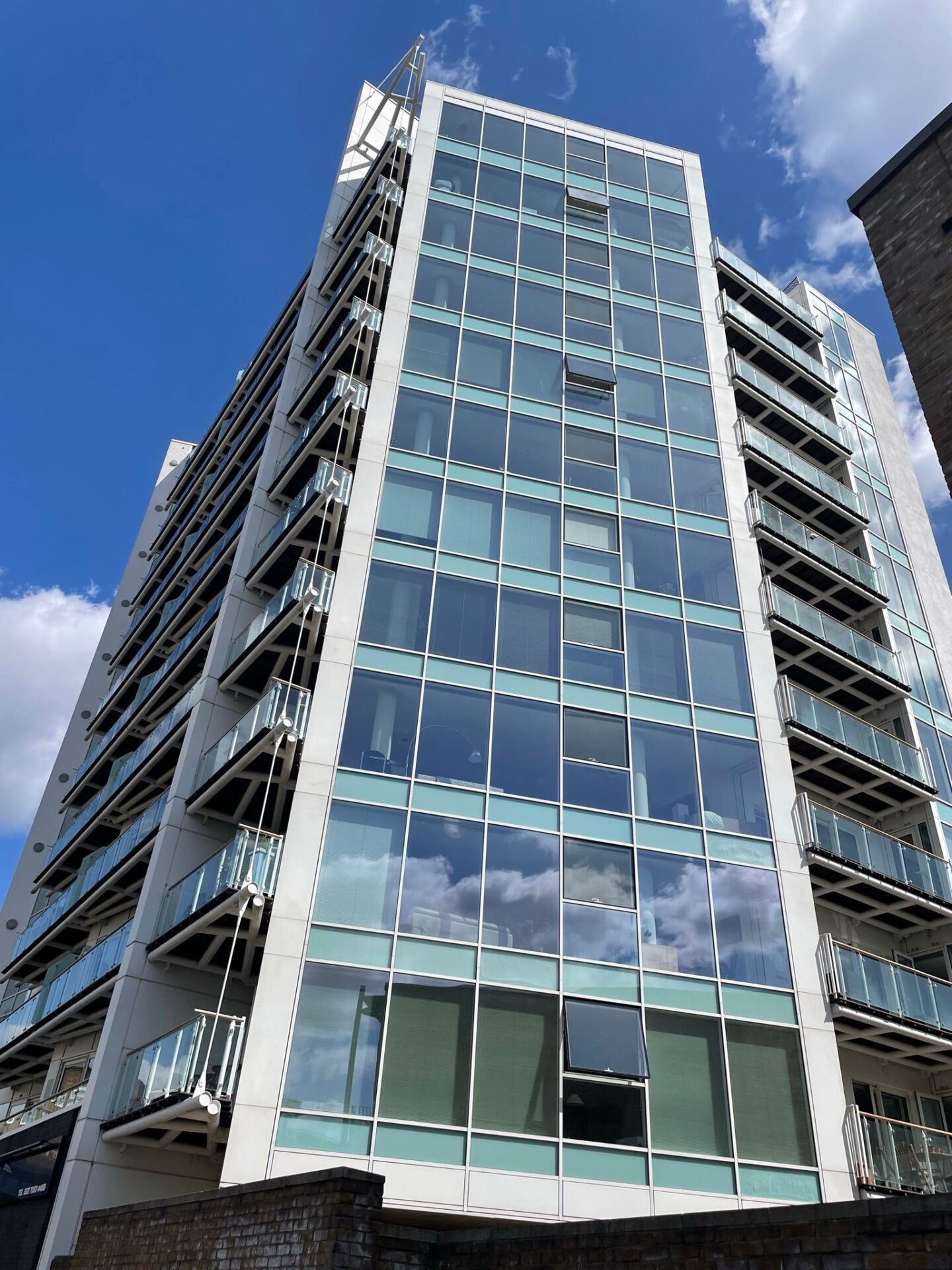
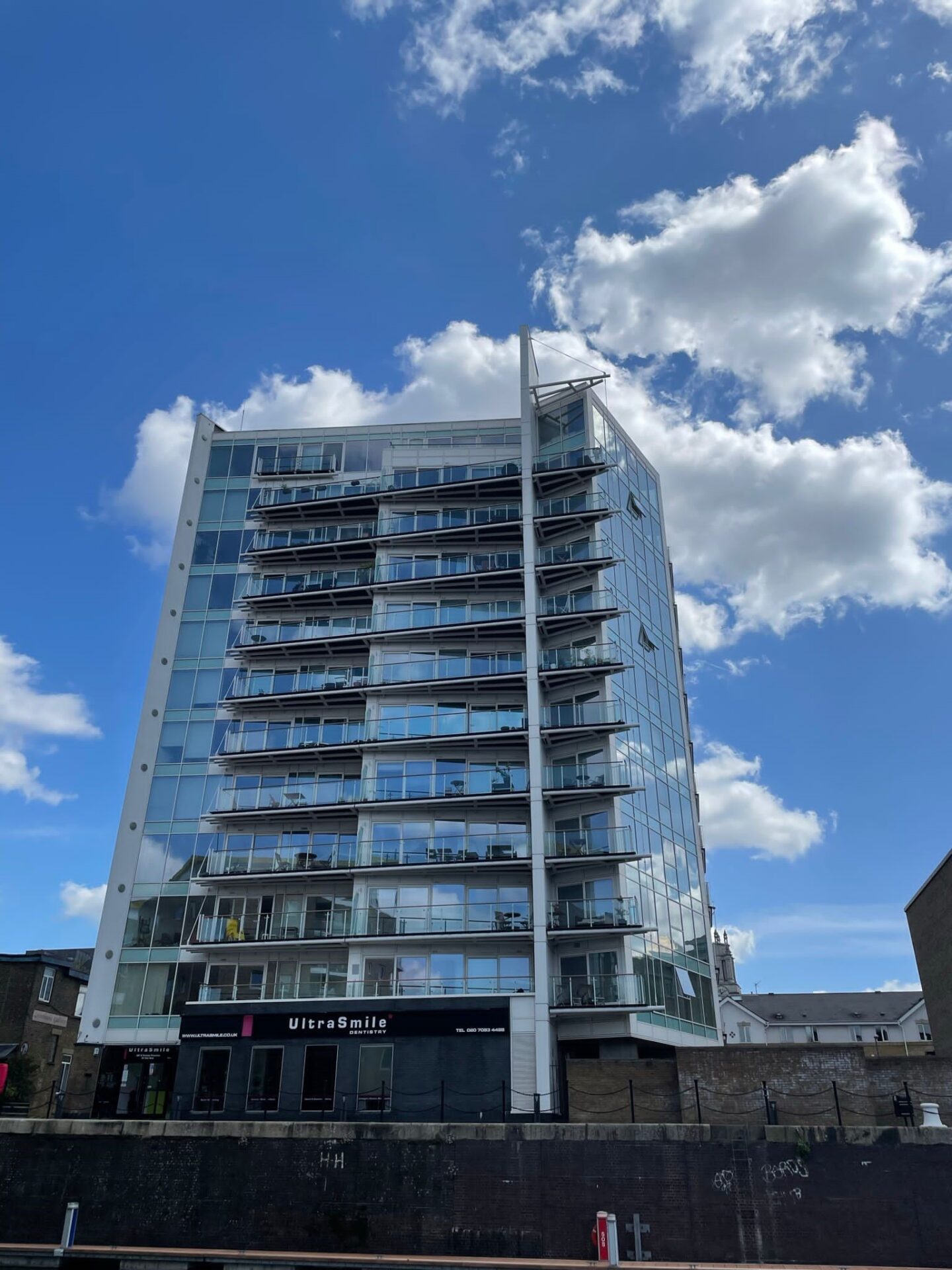
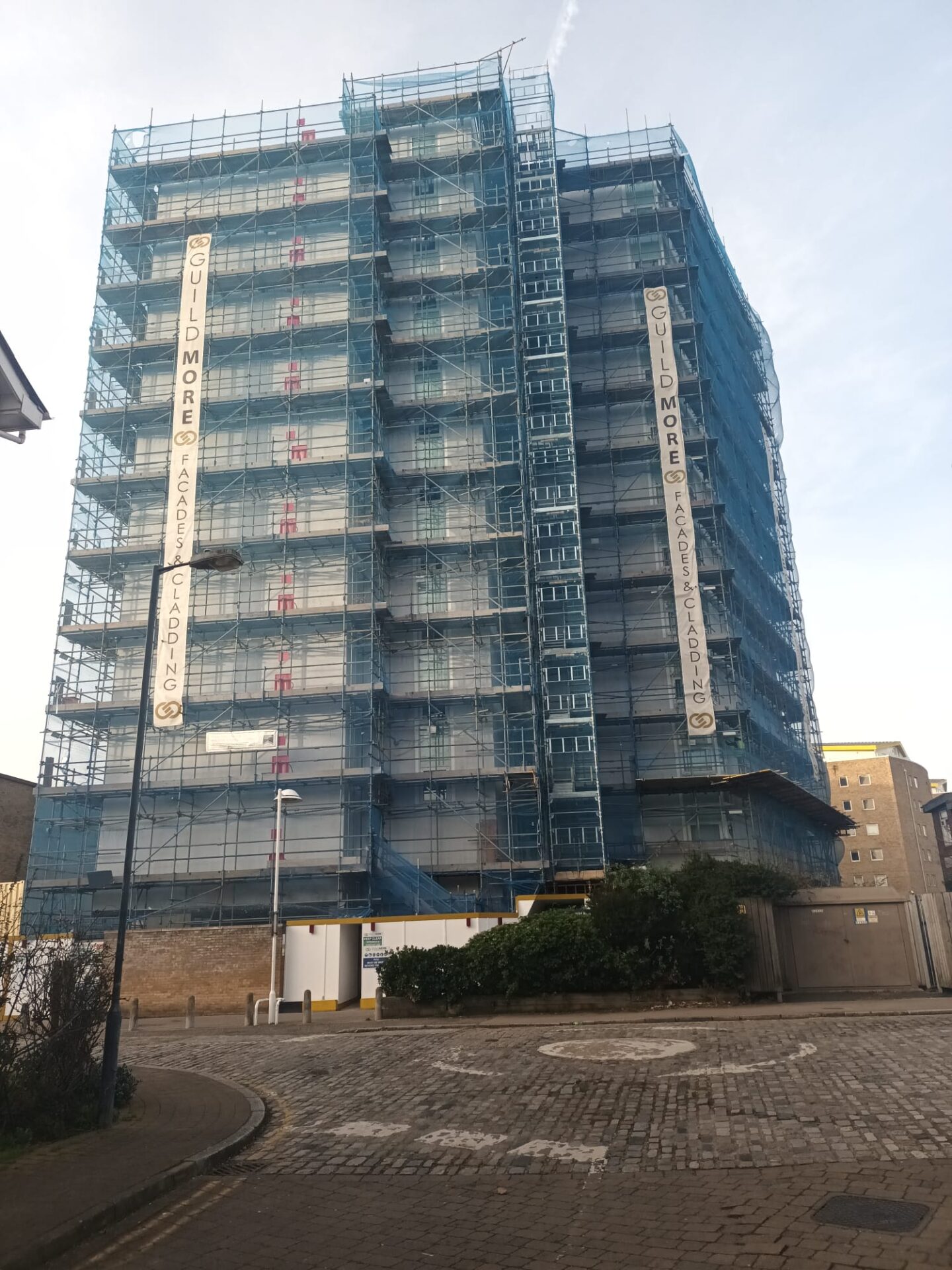
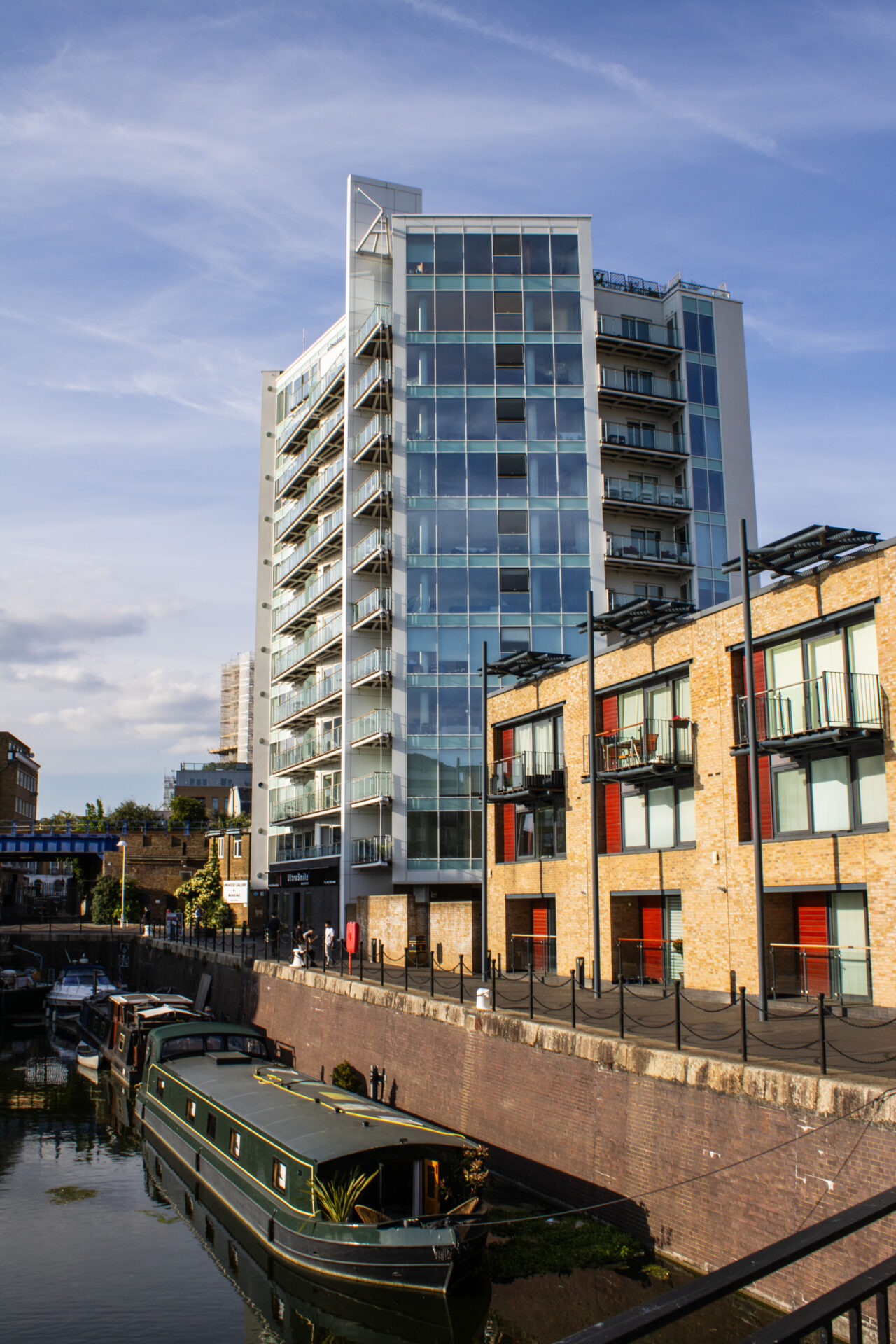
Standing at 39.6 metres high and comprising ground floor commercial units with 11 storeys of residential accommodation above, Block D at Basin Approach is a prominent building along London’s Limehouse Basin. The mixed-use structure houses 31 apartments and a variety of businesses, forming part of a wider regeneration zone with heavy footfall and architectural prominence.
The project was undertaken in direct response to a Fire Engineer’s assessment and EWS1 B2 outcome. The existing façade incorporated a legacy EPS EWI system, timber balcony decking, ACM cladding, and combustible aluminium spandrel panels—each now deemed non-compliant under current building regulations. The remediation works focused on full replacement with non-combustible systems to achieve A2-s1, d0 or better across all external wall components and ultimately secure an EWS1 B1 rating.
This extensive upgrade involved replacing all combustible wall finishes and attachments while preserving the original design aesthetic, respecting structural limitations, and maintaining live occupancy throughout. Central to the solution was the installation of Soltherm Dynamic Silicone (Ultimate HD) 70mm mineral wool, topped with a traditional silicone render system.
Client Objectives
The client’s primary objective was the complete replacement of all high-risk and combustible façade materials, using non-combustible alternatives that would ensure long-term safety, regulatory compliance, and a certified EWS1 B1 outcome. A critical stipulation was to maintain visual continuity with the original architectural expression, avoiding disruption to the building line or clashing with retained elements such as curtain wall glazing and balconies.
Equally important was maintaining uninterrupted occupation for all commercial and residential tenants, ensuring the project delivered not only technical excellence but also community consideration.
Technical Narrative
External Wall System Upgrade:
The new wall build-up used Soltherm Dynamic Silicone (Ultimate HD) with 70mm of Euroclass A1 mineral wool insulation. This high-impact resistance system was selected for its durability in high-rise applications and tested compliance with current building control standards. Key elements included:
- Adhesively bonded and mechanically fixed mineral wool, achieving robust thermal continuity across AAC substrates
- Embedded high-flex mesh in polymer-modified Soltherm basecoat for crack resistance
- Silicone topcoat with vapour permeability, UV stability and colour fastness
- Transition interfaces with retained curtain walling and new spandrel panels were carefully detailed using bespoke flashings and non-combustible fire barriers
While the thermal performance gains were marginal—from 0.45W/m²K to 0.44W/m²K due to design limitations on insulation depth—the improvement in fire safety was transformational. The system was third-party certified and tested for wind loading and water ingress specific to high-rise applications.
Spandrel and Curtain Wall Interface Detailing:
One of the most complex aspects involved detailing the EWI to meet the curtain walling, which sat flush with the external face of the building. Altering the finished line was not permissible due to planning constraints and structural limitations.
A bespoke interface solution was developed, incorporating pre-formed aluminium trims with integrated weather drips, proprietary fire-stopping socks, and cavity barriers. Detailing was tested with site-specific mock-ups and independently verified by fire consultants before installation commenced.


Project Challenges and Solutions
1: Logistics Management
The site, situated along a narrow riverside access road with limited storage and shared residential parking, presented substantial logistical constraints. To mitigate disruption:
- A just-in-time delivery system was implemented, ensuring materials arrived as needed
- All deliveries were scheduled outside of peak traffic hours, coordinated with resident vehicle access
- Temporary traffic controls and pedestrian walkways were erected to maintain safety and mobility
2. Working Adjacent to the Railway
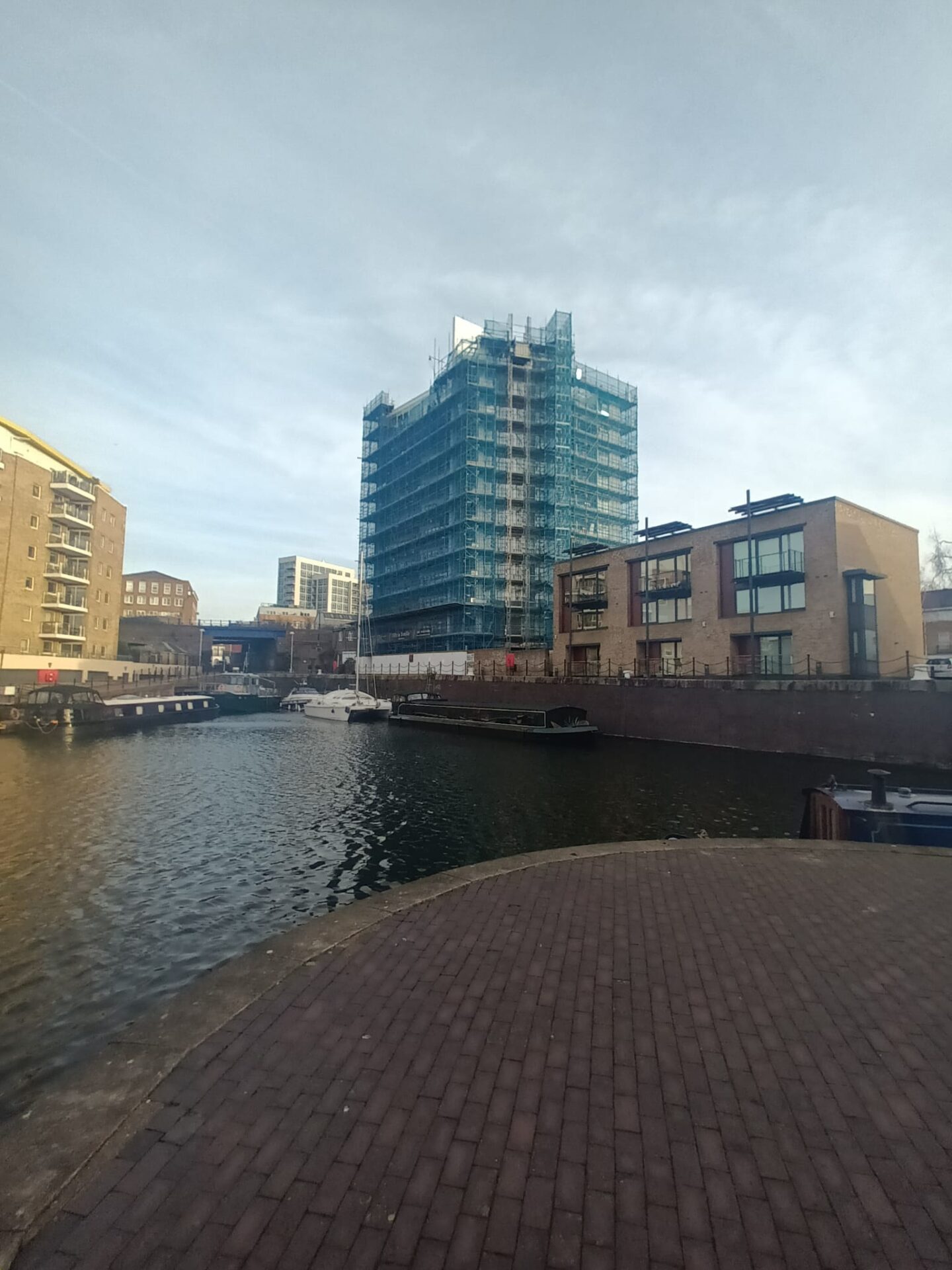
One elevation faced directly onto the Docklands Light Railway, necessitating compliance with Network Rail safety protocols.
- All scaffold designs were submitted for approval and checked against electromagnetic interference criteria
- Rail-safe barriers and edge protection were installed, with ‘lookout’ operatives deployed during scaffold erection
- Weekly coordination meetings with railway engineers ensured programme continuity and worker safety
3. Maintaining Occupied Status
With 31 residential flats and multiple commercial units remaining in use throughout, the project placed strong emphasis on non-invasive working practices.
- Noisy works were restricted to set windows, communicated via weekly updates
- A Resident Liaison Officer coordinated access requirements, complaints handling, and service interruptions
- Custom hoardings and protective netting ensured debris and noise were contained
Added Value and Innovations
Innovative Logistics and Material Handling: In a constrained site with no laydown area, materials were stored offsite in satellite yards and delivered in phased loads. Mobile scaffold hoists and compact cranes reduced site footprint and accelerated vertical delivery.
Sustainability: Mineral wool was selected not only for its fire resistance but for its low embodied carbon and full recyclability. Removed EPS waste was diverted to appropriate processing facilities.
Safety and Training: Daily site briefings and task-specific risk assessments were conducted. Operatives received training in both fire-stop installation and rail-adjacent working.
Community Engagement: Regular community updates included printed newsletters, an on-site noticeboard, and an email hotline. A mid-project open day allowed residents to view progress and meet the site team, fostering transparency and goodwill.
Outcomes and Project Legacy:
- EWS1 B1 certification was successfully obtained for all elevations, demonstrating compliance with the highest safety standards
- Thermal efficiency improved incrementally despite structural constraints, further enhancing occupant comfort
- Architectural integrity was preserved through sympathetic detailing, maintaining the building’s original aesthetic
- Fire safety transformation – all combustible cladding and insulation replaced with fully non-combustible alternatives
- Resident satisfaction – works completed without incident, complaint, or relocation of tenants
Client Statement
“We’re proud of what has been achieved at Basin Block D. This was a technically challenging façade remediation within an occupied, high-rise setting. The result is a safer, smarter building that fully complies with today’s regulations while respecting the character of the original design. The project team’s attention to detail and resident-first approach were critical to this success.” – Basin Approach Management Team
The result is a safer, smarter building that fully complies with today’s regulations while respecting the character of the original design. The project team’s attention to detail and resident-first approach were critical to this success.