
INCA Case Study: Ballindrimley Mixed Use Building, Castlerea
Ballindrimley Mixed Use Building
Project Type: Refurbishment
Building Type: Low Rise, Non-Residential
Architect: N/A
System Designer: Atlas Building Materials
Installer: Eco Smart External Insulation Limited
System & Finish: ATLAS ETICS + EPS 200 mm
U-Value Before: N/A
U-Value After: N/A
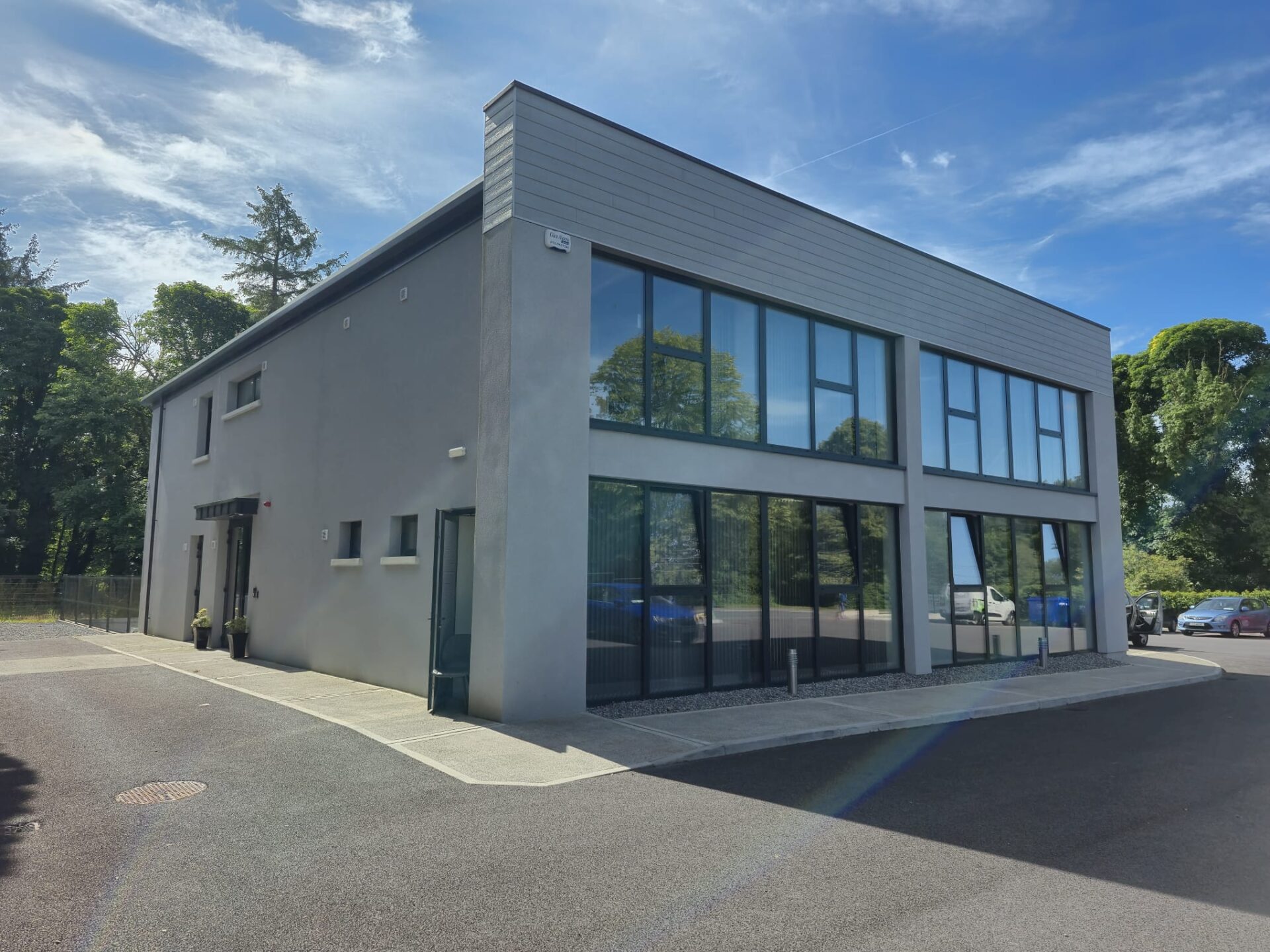
From Car Showroom to Modern Support Centre – A Successful Retrofit of a 1990s Building
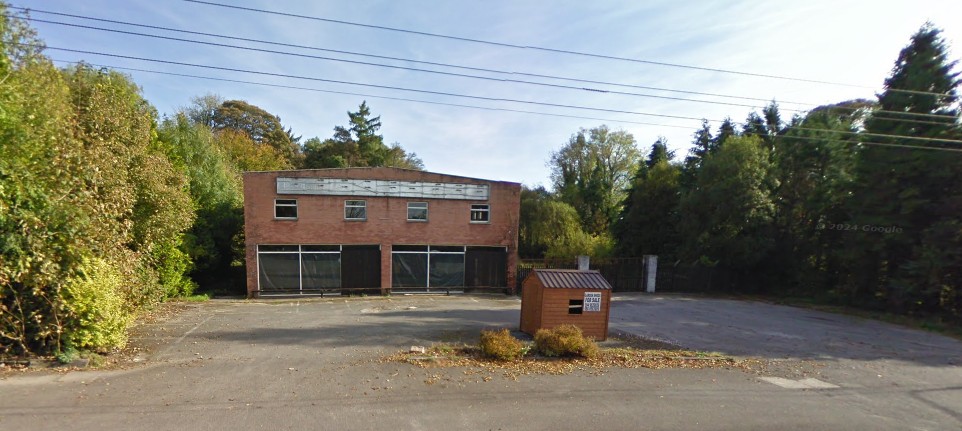
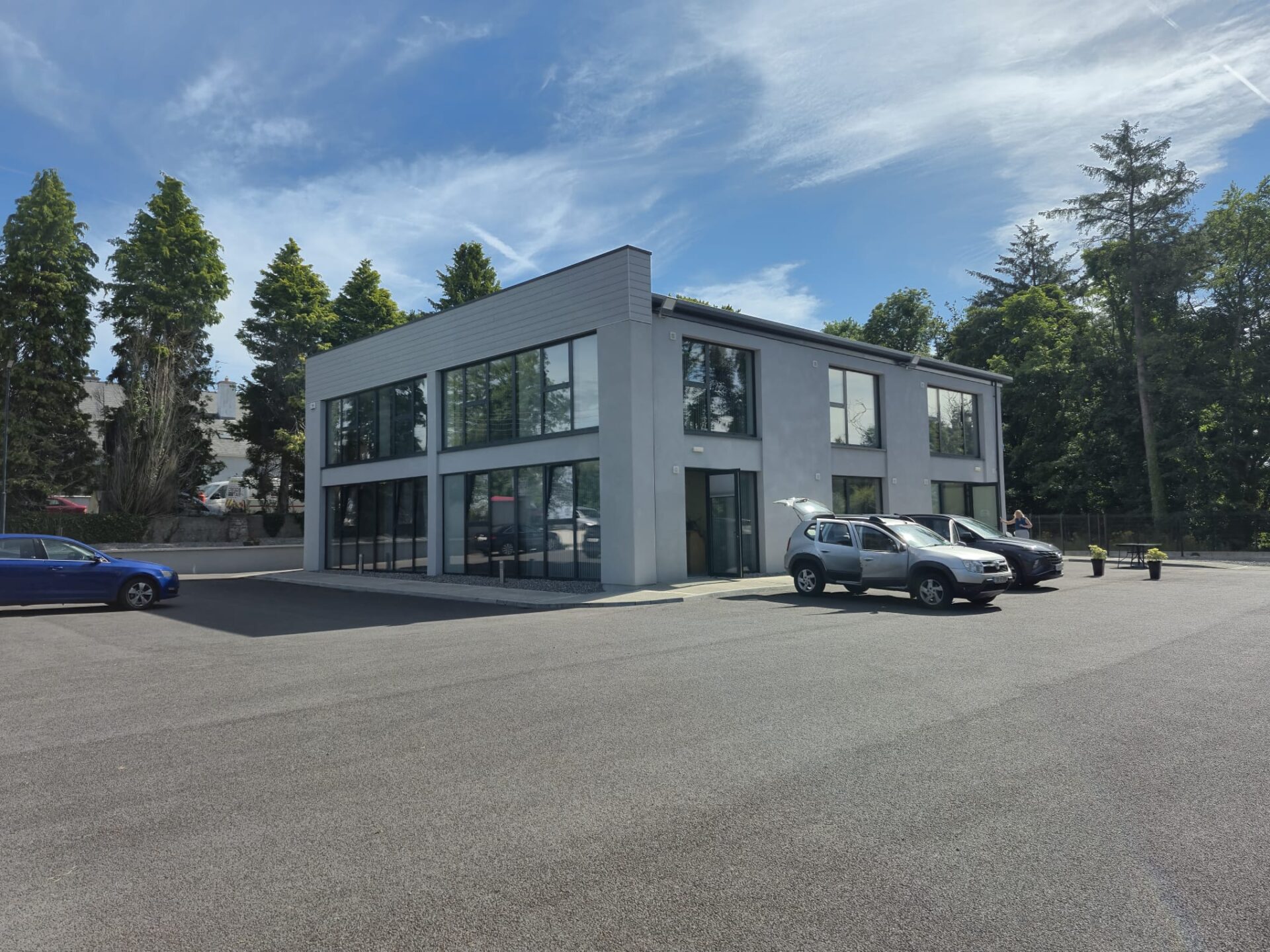
Originally constructed in 1991 as a car showroom, this three-storey building (including basement, ground, and first floor) has undergone a comprehensive transformation to meet modern energy efficiency standards and the evolving needs of its users. Today, it functions as a day centre for people with special needs, as well as office space for the organisation that supports them.
Structure: From Concrete to Contemporary Solutions
The building features a reinforced concrete portal frame with mass concrete walls. The front façade was originally finished with brick, while the sides and rear were rendered – all without any thermal insulation. The twin-skin metal roof included just 50 mm of fibreglass insulation. Windows and doors were single-glazed aluminium units, and no underfloor insulation was present.
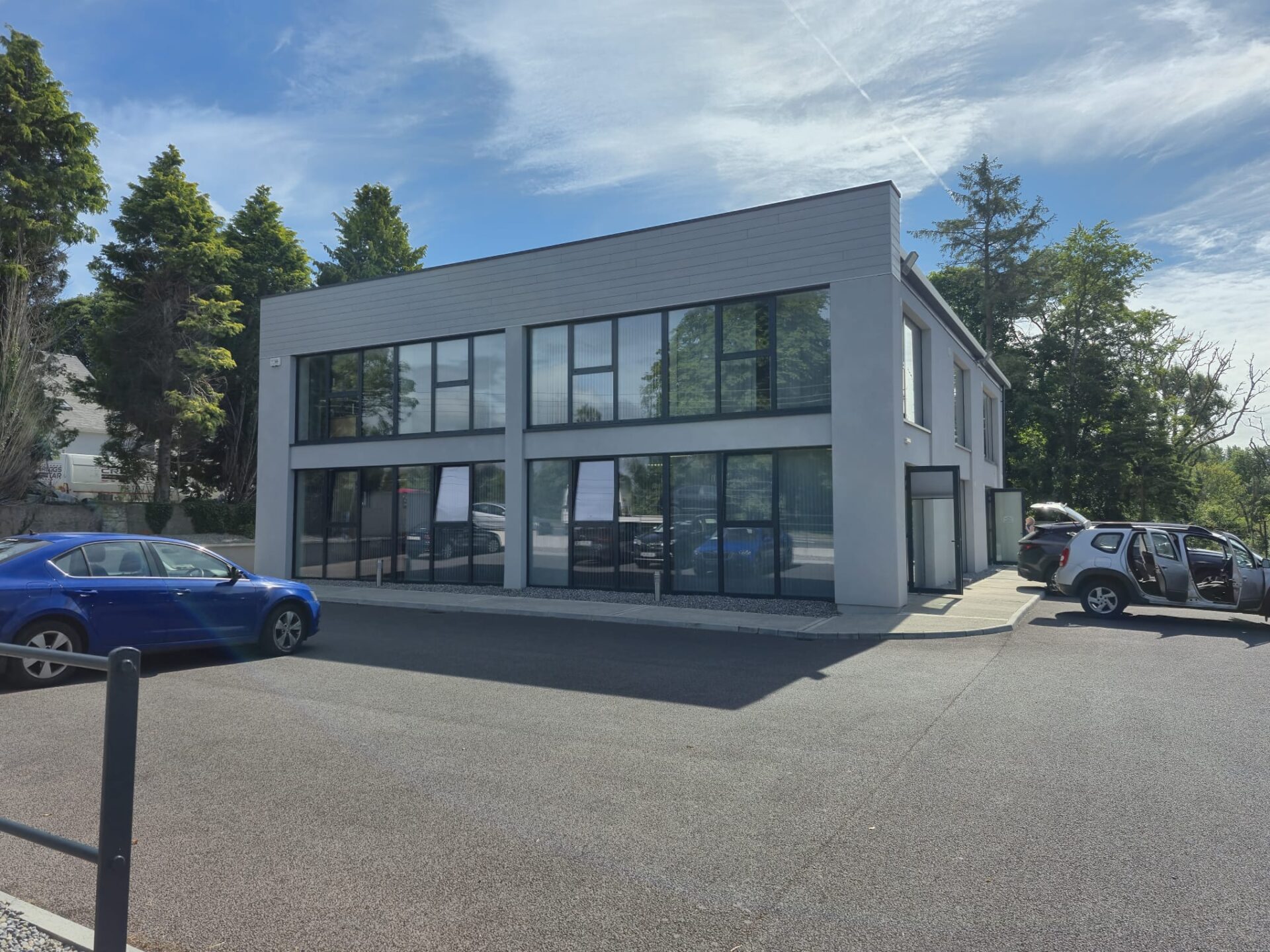
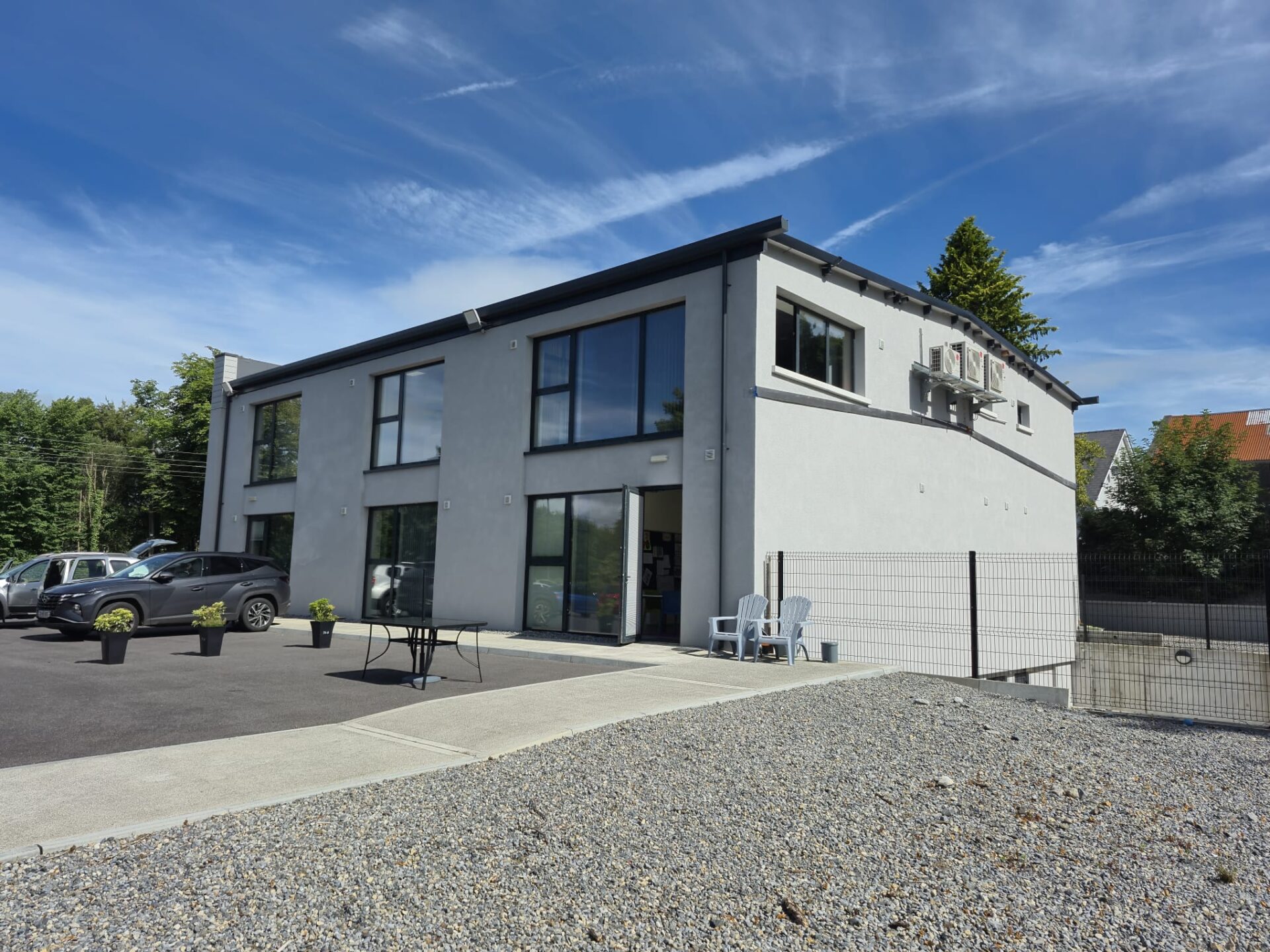
Energy Efficiency Upgrade
As part of a major refurbishment project, the building was significantly upgraded to enhance its energy performance:
- Floors were insulated with 100 mm insulation under a new concrete screed.
- Windows and doors were replaced with modern, triple-glazed aluminium units with thermal breaks.
- External walls were upgraded with a 200 mm graphite-enhanced EPS external wall insulation (EWI) system, finished with a 1.5 mm silicone render.
- Roof was replaced with new Kingspan insulated cladding (120 mm thick).
- Heating is now provided by an air source heat pump system.
- A 9kW photovoltaic solar system was installed to supplement the building’s electricity needs.
- Ventilation is provided through a passive system.
A New Purpose, A New Standard
Thanks to this well-planned and expertly executed renovation, the building has been given a second life. It now offers a modern, comfortable, and energy-efficient environment for individuals with special needs, while also accommodating office functions for the supporting organisation.
This project is a prime example of how older commercial buildings can be successfully repurposed to meet both the contemporary functional requirements and sustainability goals.
This project is a prime example of how older commercial buildings can be successfully repurposed to meet both the contemporary functional requirements and sustainability goals.